Respond to Google Reviews: Scripts That Convert Leads

Respond to Google Reviews: Scripts That Convert Leads

Reading Time: 3 minutes

Respond to Google Reviews: Scripts That Convert Leads

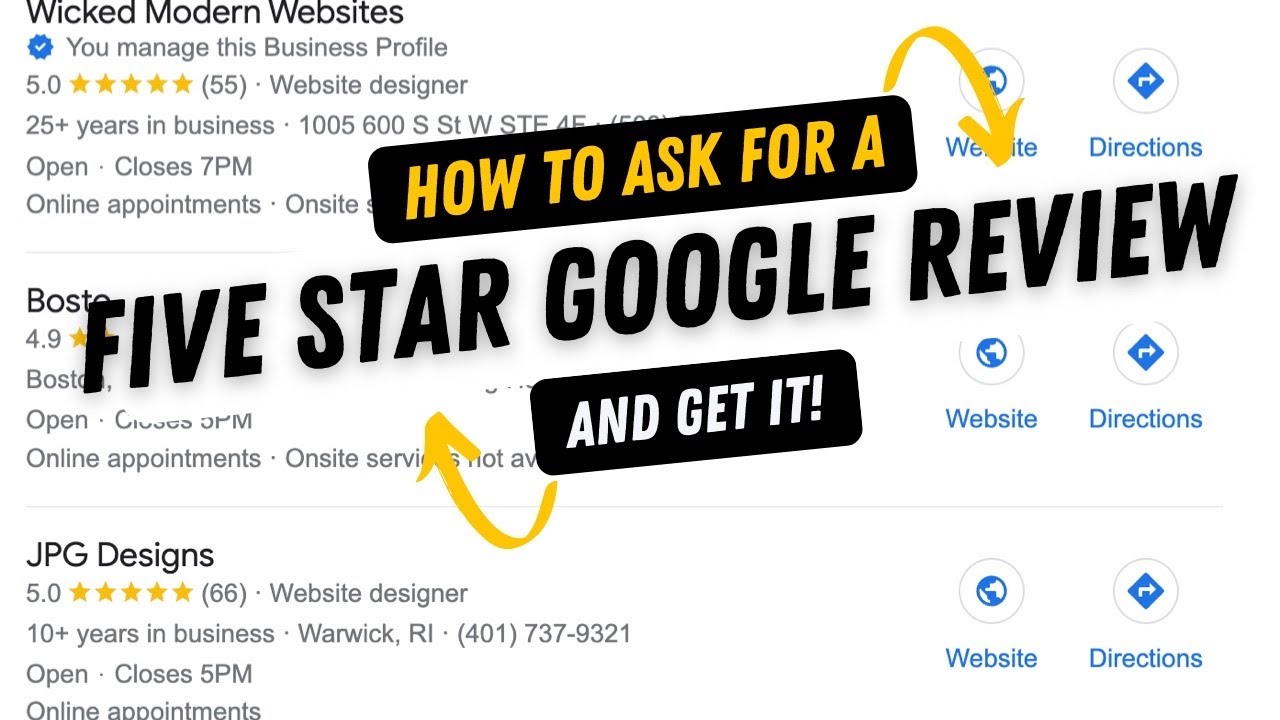
Responding to google reviews is not just good customer service, it is a strategic way to increase your conversions, boost your reputation, and improve your local SEO visibility.

Whether you are a local contractor, service provider, restaurant, or small business in Massachusetts, the Boston area, or across New England, knowing how to respond to reviews can make a massive difference in how potential customers perceive your business online.

This guide will walk you through proven Google reviews response scripts that help you convert reviews into leads, strengthen your brand, and rank better in local search results.


Why Responding to Reviews Matters for Local Businesses

Reviews are one of the strongest trust signals online especially on Google Business Profile (Google Maps). When you respond professionally and promptly:

  • It shows potential customers that you care about service quality
  • It increases customer confidence and trust in your brand
  • It sends positive signals to Google’s local ranking algorithm
  • It encourages more customers to leave reviews
  • It can turn unhappy reviewers into repeat customers


How to Respond to a Positive Review (Scripts That Convert

Positive reviews are your opportunity to reinforce trust and ask for referrals or actions that help you grow.

Template 1 — Simple Thank You

“Thank you [Reviewer Name]! We are thrilled to hear you enjoyed working with us on your [service keyword] in [location]. We truly appreciate you taking the time to share your experience. Please let us know if we can help with anything else!”

Template 2 — Offer a Next Step

“Thanks so much for the great review! We are glad your [service delivered] in [area] went smoothly. If you ever need [related service], just give us a call anytime!”


How to Respond to a Neutral Review (Turn It Into Trust)

Neutral reviews can be tricky, they show interest, but they also show hesitation. A great response can shift perception and bring the customer back.

Template – Acknowledge + Invite

“Thank you for your feedback! We appreciate your thoughts on your [service] in [location]. We would love to make your next experience even better, please reach out so we can discuss how to improve!”


How to Respond to a Negative Review (Win Back Trust)

Negative reviews are public which means your response is visible to potential customers who read it too. The goal is to be professional, empathetic, and solution-oriented.

Template – Empathy + Action

“We are sorry to hear about your experience. We truly value feedback from customers like you. Can you please message us privately so we can learn more and make this right? We want every client in [location] to be completely satisfied.”


Best Practices for Google Review Response Scripts

To get the most impact out of your review responses, follow these tips:

Be Prompt and Personal

Reply quickly and include the reviewer’s name and service details.

Use Location-Based Keywords

Mention your service areas such as:

Match Tone to Review

Use positive language for praise, and empathetic, solution-focused language for criticisms.

Keep It Concise but Valuable

Long responses are not always better, they just need to feel sincere.


Why Great Review Responses Boost Local SEO

Responding to google reviews helps your Google Business Profile become more active which is a known factor in local search rankings. When your GBP looks responsive and engaged, Google is more likely to:

  • Show your business in local map results
  • Promote your star ratings more prominently
  • Push your listing above competitors


Maximize Lead Generation from Reviews

Here is how to turn your review strategy into a lead-generation engine:

  •  Include calls-to-action in replies
  •  Ask for reviews after successful jobs
  • Offer incentives (where allowed)
  • Track review trends by service or location
  • Use reviews in other marketing channels

Your Google reviews are more than just stars, they are powerful tools for building trust, improving rankings, and converting more leads online. With the right review response scripts, you can turn every customer interaction into a chance to grow your business in Massachusetts, the Boston area, and across New England.

Modern Web Design Trends: Build a Site That Converts Leads

Modern Web Design Trends: Build a Site That Converts Leads

Reading Time: 3 minutes

Modern Web Design Trends: Build a Site That Converts Leads

Your website should not just “look good.”
It should generate leads, build trust instantly, and make it easy for visitors to take action.

In 2026, modern web design is no longer just about colors and layouts, it is about creating a site that is built to convert. Whether you are a contractor, local service business, restaurant, or small business owner in Massachusetts, the Boston area, or across New England, your website needs to do one thing well:

Turn traffic into calls, quote requests, and booked appointments.

In this guide, we will break down the most effective modern web design trends and how to use them to build a high-converting website that supports SEO and delivers real results.


1) Conversion-First Design (Not “Pretty-First” Design)

One of the biggest modern design shifts is simple:

A website should be designed around buyer behavior, not just aesthetics.

That means your homepage should immediately answer:

  • Who do you help?
  • What do you offer?
  • Where do you serve?
  • What should I do next?


2) Clear Above-the-Fold Messaging (The 5-Second Rule)

Modern users decide in seconds whether they trust your website.

Your “above the fold” section should include:

  • A benefit-driven headline
  • A short value statement
  • One main CTA button
  • A supporting trust signal (reviews, badges, years in business)


3) Simple Navigation That Makes Booking Easy

A modern website should never feel like a scavenger hunt.

Your navigation should focus on your money pages:

  • Services
  • Service Areas
  • About
  • Reviews
  • Contact / Book Now


4) Mobile-First Design (Because Your Customers Are on Phones)

Most local searches happen on mobile:

  • “near me”
  • “open now”
  • “best in [city]”
  • “call today”

If your mobile site is slow or cluttered, leads bounce fast.

Modern mobile-first design includes:

  • tap-to-call buttons
  • sticky CTA buttons
  • fast-loading pages
  • clean spacing and readable fonts


5) Fast Load Speed + Core Web Vitals (A Must for SEO and Leads)

Speed is a ranking factor and a conversion factor.

Modern web design focuses heavily on:

  • compressed images
  • lightweight layouts
  • clean code
  • optimized hosting
  • fewer unnecessary scripts


6) Trust Signals Everywhere (Because People Do not Trust Easily)

Modern websites build credibility without forcing visitors to hunt for proof.

Best trust-building elements:

  • Google reviews
  • before/after photos
  • certifications
  • “featured in” logos
  • project galleries
  • short testimonials near CTAs


7) Service Pages That Sell (And Rank)

One of the biggest reasons websites do not convert is weak service pages.

Modern service pages should include:

  • what you offer
  • who it is for
  • what’s included
  • common FAQs
  • project photos
  • service area mentions
  • multiple CTAs


8) Location Targeting Built Into the Design

If you serve specific areas, your website should say it clearly everywhere.

Modern local SEO design includes:

  • service area sections on pages
  • embedded maps (when appropriate)
  • internal links to city pages
  • locally optimized calls-to-action


9) Modern CTAs That Get Clicks (Not “Submit” Buttons)

Modern websites use CTAs that feel natural and reduce friction.

High-converting CTA examples:

  • “Get a Free Estimate”
  • “Request a Quote”
  • “Book a Call”
  • “Get Pricing”
  • “Check Availability”


10) Lead Capture Forms That Do not Scare People Away

Modern forms are short, simple, and mobile-friendly.

Best practice:

  • 3–5 fields max
  • clear “what happens next”
  • fast submission
  • optional file upload (photos help!)


11) Modern Design Trends That Still Matter in 2026

These visual trends still work when used correctly:

  • Minimal layouts
  • Bold headings and spacing
  • Soft shadows and clean sections
  • High-quality real photos (not cheesy stock)
  • Scrolling animations (light + fast)
  • Strong contrast for readability

But remember, design trends should always support clarity and conversion.


12) SEO and Web Design Must Work Together (Or You Lose Twice)

A modern website must be built with SEO structure in mind:

  • correct heading hierarchy (H1/H2/H3)
  • keyword targeting per page
  • internal linking
  • clean URL structure
  • fast pages
  • schema markup
  • optimized images


Quick Checklist: A Modern Website That Converts Leads

If you want a simple “conversion-ready” checklist, your site should have:

  •  Clear headline + CTA above the fold
  •  Mobile-first layout with click-to-call
  •  Fast load speed and optimized images
  •  Dedicated service pages (not generic blurbs)
  •  Service area content for local SEO
  •  Google reviews + trust signals near CTAs
  •  Simple quote request forms
  •  Strong internal links + SEO structure


Don’t Just “Modernize” – Build to Convert

Modern web design is not about chasing trends.

It is about building a website that:

  • ranks on Google
  •  loads fast on mobile
  •  earns trust instantly
  •  turns visitors into real leads

If your site is not converting, it is not a traffic problem, it is a strategy problem.

Local SEO for Contractors: Dominate Google Maps Today

Local SEO for Contractors: Dominate Google Maps Today

Reading Time: 3 minutes

Local SEO for Contractors: Dominate Google Maps Today

If you are a contractor and you want more calls, more quote requests, and more booked jobs without constantly paying for ads, Google Maps is where you need to win.

When someone searches for a service like “roof repair near me” or “plumber in my area”, Google often shows the Map Pack (the top 3 local listings) before the regular website results. The contractors who show up here get the most clicks, calls, and leads.

This guide will show you exactly how to improve your visibility using Local SEO, so you can start ranking higher in Google Maps and attract better customers in your service area.


Why Google Maps Rankings Matter for Contractors

Contractors are one of the most “urgent search” industries online. People do not casually browse for a roofer or electrician, they search because they need help now.

That is why local map rankings can outperform traditional SEO for contractors.

Benefits of strong Google Maps rankings:

  • More phone calls from ready-to-hire homeowners
  • Higher trust (especially with strong reviews)
  • More leads without spending daily on PPC
  • Better visibility in your exact town/city service area

Targeting Google Maps is the most direct way to win jobs from customers searching locally.


How Google Maps Rankings Work (The 3 Big Factors)

Google decides who ranks in the Map Pack based on three major factors:

1) Relevance

How closely your profile matches the search (services + keywords).

2) Distance

How close your business is to the searcher’s location.

3) Prominence

How well-known and trusted your business appears online (reviews, citations, content, links, activity).

The good news: even if you are not the closest contractor, you can still outrank competitors by improving relevance and prominence.


Step 1: Optimize Your Google Business Profile the Right Way

Your Google Business Profile (GBP) is the foundation of local SEO for contractors.

Here is how to optimize it properly:

Choose the best primary category

Add complete services (with keyword intent)

Write a strong business description

Upload real photos consistently

Contractors who update photos often usually outrank “set it and forget it” listings.


Step 2: Use Service Area Targeting That Actually Ranks

If you are a contractor, chances are you travel to customers.

That means your Google Business Profile must reflect where you work, not just where your office is.

To boost rankings, focus on:

  • [service] in [city]
  • [service] near [neighborhood]
  • [service] in [county]
  • contractor serving [region]


Step 3: Build Consistent Local Citations (NAP Accuracy)

A citation is your business listed on other sites, like directories and local platforms.

Google looks for consistency in your:

  • Name
  • Address (or service area formatting)
  • Phone number
  • Website URL

If your business info is inconsistent online, it weakens your local authority.


Step 4: Get More Reviews (and Use Review Keywords)

Reviews are one of the fastest ways to improve Google Maps visibility.

But here is what most contractors miss:

Review text matters, not just star rating.

Ask customers to mention what you did and where, like:

  • “They did an amazing roof replacement in [City].”
  • “Best plumber in [Town]—fast and professional.”
  • “Hired them for kitchen remodeling in [Area] and loved the results.”

This helps your profile naturally rank for searches tied to those services and locations.


Step 5: Post Weekly Updates to Your Google Business Profile

GBP Posts are like mini social posts inside Google and they signal activity.

Post ideas contractors should use:

  • New project completion highlights
  • Seasonal promos
  • Safety checks and inspections
  • Quick FAQs (pricing, timelines, permits)
  • Before/after transformations


Step 6: Build Location Pages That Rank (Contractor SEO Power Move)

If you serve multiple towns, your website should support that with targeted pages.

Instead of one generic “Services” page, create pages like:

  • Roofing Contractor in [City]
  • Plumber in [Town]
  • Bathroom Remodeling in [Area]
  • Commercial HVAC in [City]

These pages help you rank organically and support your Google Maps profile relevance.


Step 7: Track Your Rankings (So You Know What’s Working)

Local SEO is not guesswork, you need visibility into:

  • which keywords you rank for
  • how many calls you get
  • what actions people take (clicks, directions, messages)
  • which towns are improving (or dropping)

Even small improvements can mean big lead increases when you are targeting Google Maps.


When you rank higher in Google Maps, you stop chasing leads and start attracting homeowners who already want exactly what you offer.

The contractors who win are not always the cheapest… they are the most visible.

Start optimizing now, stay consistent, and your Google Maps rankings will build month after month.
Why 95% of Websites Get Zero Traffic: Fix Your SEO Now

Why 95% of Websites Get Zero Traffic: Fix Your SEO Now

Reading Time: 3 minutes

Why 95% of Websites Get Zero Traffic: Fix Your SEO Now

Most business owners think their website should automatically bring in leads, phone calls, and quote requests.

But the truth is brutal:

The majority of websites get little to no search traffic, even after spending thousands on design.

And it is not because Google “hates” your business.

It is because your website is missing the SEO foundations that allow it to rank, get found, and earn clicks from people searching for what you sell.

In this blog, we are breaking down exactly why 95% of websites get zero traffic, what is really happening behind the scenes, and how to fix it fast with an SEO plan that works in Massachusetts, the Boston area, and across New England.


The Real Reason Websites Get Zero Traffic (It is Not Just “Bad SEO”)

A website does not rank because it looks nice.

It ranks because Google clearly understands:

  • Who the website is for
  • What services or products it offers
  • Where the business is located / what areas it serves
  • Which pages match search intent
  • Why the site is trustworthy

If your website does not communicate these things clearly, Google will not show it.

That is why so many business sites end up invisible, even if they are beautiful.

 
1) You are Targeting the Wrong Keywords (Or None at All)

One of the biggest SEO mistakes is targeting keywords that are too broad, too competitive, or not aligned with what customers actually type into Google.

Instead of ranking for general terms like “contractor” or marketing services, you need specific high-intent phrases.

 
2) Your Website Does not Match Search Intent

Even if you use the right keywords, you still will not rank if your page does not match what the searcher wants.

Example:

Someone searches SEO audit for small business
…but your page is a generic homepage with no clear answers.

That mismatch kills rankings.

To fix this, create pages that match intent like:

Wicked Modern Websites even offers tools and services built around this exact need helping businesses identify what is working and what needs improvement.

 
3) Your Website Has No Location Targeting (So Google Cannot Place You)

If you serve customers locally, you MUST include location signals throughout your website.

Without them, Google does not know where to rank you.

This is a common issue for:

  • contractors
  • home service businesses
  • local shops
  • B2B services
 
4) You Have Thin Pages (Not Enough Content to Rank)

Google cannot rank a page that does not have enough information to be useful.

If your service pages only have:

  • a short paragraph
  • a few images
  • no FAQs
  • no real details

…it is considered “thin content.”

Fix it by expanding your pages with:

  • service breakdowns
  • step-by-step process
  • before/after examples
  • common questions
  • pricing factors (even ranges help)
  • service area coverage
 
5) Your Titles & Headings Are Not Optimized

If your page titles are generic like:

  • “Home”
  • “Services”
  • “Welcome”
  • “About”

…you are wasting the most powerful SEO real estate you have.

 
6) Your Website Loads Slow (And People Leave Instantly)

A slow site kills both:

  • rankings
  • conversions

And it happens more than you would think.

Common causes:

  • oversized images
  • too many plugins
  • heavy themes
  • cheap hosting
  • broken scripts
 
7) You Do not Have a Google Business Profile 

For local businesses, your website and your Google Business Profile must support each other.

If your GBP is weak, you will struggle to dominate Maps.

If your website is weak, your GBP will not convert visitors.

This is why local SEO services are often the best “quick win” for businesses trying to grow locally in competitive markets like the Boston area.

 
8) Nobody Is Linking to Your Website (No Authority = No Rankings)

Google needs trust signals.

One major trust signal is backlinks (other websites linking to you).

You do not need hundreds, just the right ones.

Best backlink sources for local businesses:

  • local directories
  • chamber of commerce listings
  • supplier/vendor links
  • sponsorships
  • industry partnerships
  • local news mentions
 
9) You are Not Publishing Content Consistently (Google Rewards Momentum)

If your competitors publish helpful content monthly and you publish nothing for a year, Google sees them as the authority.

The fastest way to fix “zero traffic” is to build content around real search terms your customers use.


The Simple SEO Fix Plan (Do This Now)

If your website is getting zero traffic, start here:

Step 1: Run a full website SEO audit
Step 2: Fix page titles + headings with keywords
Step 3: Build location + service pages that match intent
Step 4: Improve speed + mobile experience
Step 5: Add internal links between related pages
Step 6: Set up Google Business Profile optimization
Step 7: Publish blog content targeting long tail keywords
Step 8: Collect reviews + build local citations

For businesses in Massachusetts and New England, these improvements can create a major shift in rankings and lead flow when done correctly.


If you feel like your website is invisible, you’re not alone.

But the good news is:

You do not need to rebuild everything.
You need to fix what’s blocking traffic and start giving Google what it needs to rank you.

Because once your site starts ranking for the right searches, traffic becomes consistent and leads become predictable.

Contractor Marketing Strategies: SEO, Social, and Leads in 2026

Contractor Marketing Strategies: SEO, Social, and Leads in 2026

Reading Time: 4 minutes

Contractors in 2026 are competing in a very different world than they were even 2–3 years ago. Your customers are searching online faster, comparing more options, and making decisions before they ever call. If your business is not showing up in search, looking professional on social media, and following up quickly, you are losing jobs to competitors who are.

In this guide, we will break down proven contractor marketing strategies built around three pillars:

SEO that gets you found on Google
Social media that builds trust locally
Lead systems that turn visibility into booked jobs

This strategy is especially effective for contractors across Boston, Massachusetts, and New England who rely on steady local work and repeat customers.

Why Contractor Marketing in 2026 Is All About Visibility + Trust + Speed

If you want more calls, quote requests, and booked jobs, you need a marketing system that supports:

That is why the best contractor marketing strategy combines SEO + Social + Lead Capture into one consistent plan.

1) Contractor SEO Strategies That Actually Work in 2026

SEO is still one of the highest ROI marketing channels for contractors because it targets customers with high intent and the people already searching for help.

If you want more leads, your goal is to rank for service + location searches.

  1. A) Build Location Pages (Not Just One “Service Area” Page)

If you serve multiple towns, you need content for each area, not a single generic page.

Examples:

  • Kitchen Remodeling in [Town]
  • Roof Repair in [Town]
  • Deck Builder in [Town]

This improves rankings for “near me” searches and helps you compete across your region.

  1. B) Google Business Profile Optimization = Maps Leads

For local contractors, Google Maps visibility is everything.

A properly optimized profile helps you show up for:

  • “electrician near me”
  • “roofing company near me”
  • “best landscaper near me”

Your weekly strategy should include:

  • New photos every week
  • Fresh posts (updates/offers)
  • Review responses
  • Service + location keyword usage

This is why Google Business Profile optimization for contractors is one of the strongest plays in 2026.

  1. C) Contractor Website SEO Must Focus on Conversions

Ranking is great but ranking without calls is pointless.

Your website needs:

  • Click-to-call button
  • Quote request form above the fold
  • Service pages that clearly explain what you do
  • Trust builders (reviews, badges, photos, warranties)


2) Social Media Marketing for Contractors (The 2026 Trust Engine)

Contractors do not need to “go viral.”
They need to build trust with homeowners and property managers in their area.

Social media in 2026 is most effective when it supports:

Proof of work
Consistency
Local reputation
Repeat exposure

Best social media platforms for contractors in 2026

  • Facebook (local community + older homeowner market)
  • Instagram (visual proof + before/after)
  • Google Business Profile posts (local SEO support)
  • YouTube Shorts / Reels (quick project videos)


  1. A) The Best 3 Contractor Post Types (That Drive Leads)

If you want consistent leads, rotate these weekly:

  1. Before & After Transformations
    Keyword ideas: before and after remodeling contractor posts
  2. Behind-the-Scenes Jobsite Videos
    Keyword ideas: construction business social media content ideas
  3. Customer Reviews + Project Story
    Keyword ideas: how to get more contractor reviews online


  1. B) Contractors Should Post to Win Locally (Not Nationally)

Instead of broad hashtags, use:

  • town names
  • neighborhood names
  • service area phrases
  • local problem-based posts

Examples:

  • “Storm damage roof repair in [Town]”
  • “Basement flooding prevention tips for [City] homes”
  • “Deck upgrades before summer in Massachusetts”

This supports local social media marketing for contractors in Massachusetts and helps you become “the contractor everyone recognizes.”


3) Lead Generation Systems: Turn Traffic into Booked Jobs

More traffic does not automatically mean more money.

The difference between “busy” contractors and “booked” contractors is having a lead system that captures, qualifies, and follows up.

  1. A) Use a “Quote Request” Funnel (Not Just a Contact Page)

Your quote page should include:

  • Service selection dropdown
  • Job type + budget range
  • City/town field (filters out bad leads)
  • Upload photo option (highly recommended)

This increases lead quality and reduces wasted time.


  1. B) Speed-to-Lead: The 5-Minute Rule

In 2026, the contractor who replies fastest usually wins the job.

Best practice:

  • Auto-text confirmation
  • Email notification
  • Same-day call back for qualified requests

This matters for high intent contractor leads from Google because customers often contact 3–5 companies at once.


  1. C) Reviews Are a Lead Strategy (Not Just Reputation)

If you want more leads in competitive markets like Boston and New England, you need a steady stream of reviews.

Use these keywords naturally on your site:


2026 Contractor Marketing Blueprint (Simple Weekly Plan)

Here is a realistic weekly marketing rhythm that works for busy contractors:

Weekly SEO actions (1–2 hours/week)

  • Add 1 new photo project gallery
  • Update 1 service page with FAQs
  • Publish 1 blog or seasonal landing page
  • Post 1 Google Business Profile update

Weekly social actions (30–45 minutes/week)

Post 3x per week:

  • Before/after
  • Quick tip video
  • Review + CTA

Weekly lead actions (15 minutes/week)

  • Reply to reviews
  • Follow up on old estimates
  • Track leads by source (Google / Facebook / referrals)


The Best Contractor Marketing Strategy in 2026 is a System

If you want consistent work in 2026, you do not need gimmicks, you need a simple system that runs every week:

SEO to get found
Social media to build trust
Lead systems to convert clicks into calls


Contractor Strategies 2025

Contractor Strategies 2025

Reading Time: 5 minutes

Digital Marketing for Contractors: Tactics to Attract Clients in 2025

In the ever-competitive construction industry, standing out as a contractor requires a savvy approach to digital marketing. As we look to 2025, contractors are faced with the challenge of effectively using digital tools to enhance their brand presence and attract more clients. With the rapid advancement of technology, adopting the latest contractor marketing strategies is essential for maintaining a competitive edge. This post will guide you through the most effective tactics that contractors can leverage to boost their online visibility and client engagement. Prepare to explore strategic methods tailored for the modern contractor, ensuring your business thrives in the digital age.## Effective 2025 Marketing Strategies

In 2025, contractors must adapt to the changing digital landscape to stay competitive. This section explores key strategies that will shape contractor marketing in the coming year.

Leveraging Social Media Platforms

Social media platforms are crucial for contractors to connect with potential clients and showcase their work. In 2025, the focus will be on visual content and interactive features.

Instagram and Pinterest will remain popular for sharing project photos and design ideas. Contractors should post high-quality images of completed projects, before-and-after comparisons, and behind-the-scenes content.

Video content on platforms like TikTok and YouTube will gain importance. Short-form videos demonstrating skills, offering tips, or showcasing project progress can engage audiences effectively.

LinkedIn will be vital for B2B connections and establishing industry authority. Contractors should share industry insights, participate in relevant groups, and network with other professionals.

Email Campaigns That Convert

Email marketing remains a powerful tool for contractors to nurture leads and maintain client relationships. In 2025, personalization and automation will be key to successful campaigns.

Segmentation will be crucial. Contractors should divide their email lists based on factors like project type, budget, or location to deliver targeted content.

Automated email sequences will help guide potential clients through the sales funnel. These might include welcome emails, follow-ups after consultations, and project updates.

Interactive elements like surveys, quizzes, or clickable image galleries will boost engagement. These features can help contractors gather valuable information about client preferences.

Personalized content based on user behavior and preferences will improve conversion rates. Contractors should use data analytics to tailor email content to individual recipients.

Building a Strong Online Presence

A robust online presence is essential for contractors in 2025. This involves more than just having a website; it’s about creating a comprehensive digital footprint.

Search engine optimization (SEO) will remain crucial. Contractors should focus on local SEO tactics, such as optimizing for “near me” searches and maintaining accurate Google My Business listings.

Content marketing will play a significant role. Regularly publishing blog posts, articles, or guides on topics relevant to potential clients can establish authority and improve search rankings.

Online reviews and testimonials will be more important than ever. Contractors should actively encourage satisfied clients to leave reviews on platforms like Google, Yelp, and industry-specific sites.

A mobile-friendly website with fast loading times will be non-negotiable. As more users browse on mobile devices, contractors must ensure their sites are responsive and optimized for various screen sizes.

Branding for Contractors

Effective branding sets contractors apart in a crowded market. This section explores how to create a memorable brand identity and maintain consistent messaging across all channels.

Crafting a Memorable Brand Identity

A strong brand identity helps contractors stand out and build trust with potential clients. In 2025, authenticity and uniqueness will be key differentiators.

The brand should reflect the contractor’s values, expertise, and unique selling points. This might include a focus on sustainability, innovative techniques, or exceptional customer service.

Visual elements like logos, color schemes, and typography should be carefully chosen to represent the brand’s personality. These should be consistent across all marketing materials and platforms.

A brand story can create an emotional connection with clients. Contractors should develop a narrative that explains their journey, mission, and what sets them apart from competitors.

Brand voice should be defined and maintained across all communications. This includes the tone used in social media posts, website copy, and client interactions.

Consistent Messaging Across Channels

Maintaining consistent messaging across all marketing channels reinforces brand identity and builds trust with potential clients. In 2025, this will be crucial as contractors utilize multiple platforms.

A brand style guide should be developed and followed. This document outlines the brand’s visual elements, tone of voice, and key messaging points to ensure consistency.

Content calendars can help coordinate messaging across different platforms. This ensures that social media posts, blog content, and email campaigns align with overall marketing goals.

Cross-platform campaigns can reinforce messaging. For example, a social media campaign can be supported by related blog posts and email newsletters.

Regular brand audits should be conducted to ensure consistency. This involves reviewing all marketing materials and touchpoints to identify and correct any inconsistencies.

Showcasing Successful Projects

Highlighting completed projects is a powerful way for contractors to demonstrate their skills and attract new clients. In 2025, interactive and immersive showcases will become more prevalent.

High-quality project galleries should be a central feature of contractor websites. These should include before-and-after photos, detailed descriptions, and client testimonials.

Virtual tours and 3D renderings can provide potential clients with a more immersive experience. These tools allow clients to visualize the contractor’s work in detail.

Case studies that detail the project process, challenges overcome, and client satisfaction can build trust and showcase problem-solving skills.

Video content, such as time-lapse construction footage or client interviews, can bring projects to life and engage potential clients more effectively.

Attracting Clients in the Construction Industry

Attracting and retaining clients is the ultimate goal of any marketing strategy. This section explores targeted techniques for reaching potential clients in the construction industry.

Targeted Advertising Techniques

In 2025, targeted advertising will be more sophisticated, allowing contractors to reach potential clients with precision. Effective targeting can maximize marketing budgets and improve conversion rates.

Geotargeting will be crucial for local contractors. Ads can be targeted to specific neighborhoods or areas where construction or renovation activity is high.

Behavioral targeting based on online activity can help reach users who have shown interest in construction or home improvement. This might include retargeting users who have visited the contractor’s website.

Demographic targeting can help reach specific client segments. For example, ads can be tailored to homeowners in certain age groups or income brackets.

Platform-specific advertising, such as LinkedIn ads for B2B clients or Instagram ads for residential projects, can help reach the right audience on each channel.

Networking and Partnerships

Building strong professional networks and partnerships will remain a valuable strategy for contractors in 2025. These relationships can lead to referrals and new business opportunities.

Industry events and trade shows will continue to be important networking opportunities. Contractors should actively participate in these events, both as attendees and potentially as speakers or exhibitors.

Online networking through professional platforms like LinkedIn will grow in importance. Regular engagement with industry groups and discussions can help build visibility and credibility.

Partnerships with complementary businesses, such as interior designers or real estate agents, can provide mutual benefits and access to new client bases.

Community involvement through sponsorships or volunteer work can enhance a contractor’s local reputation and lead to valuable connections.

Client Relationship Management

Effective client relationship management will be crucial for contractors in 2025, helping to secure repeat business and referrals. This involves maintaining communication throughout the project lifecycle and beyond.

Customer relationship management (CRM) software can help contractors track interactions, manage projects, and identify opportunities for follow-up or additional services.

Regular check-ins during and after projects can ensure client satisfaction and address any concerns promptly. This proactive approach can lead to positive reviews and referrals.

Personalized communication based on client preferences and project history can strengthen relationships. This might include customized project updates or tailored recommendations for future work.

Loyalty programs or referral incentives can encourage repeat business and word-of-mouth marketing. These programs should offer tangible benefits to clients for their continued support.

9 Must-Have WordPress Plugins for Every Website in 2025

9 Must-Have WordPress Plugins for Every Website in 2025

Reading Time: 2 minutes

9 Must-Have WordPress Plugins
for Every Website in 2025

Launching a new WordPress website? One of the first steps to success is installing the right plugins. The best WordPress plugins improve security, SEO, performance, and user engagement—helping your site run smoothly and rank higher in search results.

With thousands of options available, choosing the right tools can feel overwhelming. To make things easier, our development team has put together a list of the top 9 WordPress plugins we install on every new website build.

Google Site Kit

Best WordPress Plugin for Analytics & SEO

Integrates Google Analytics & Search Console into your dashboard for real-time insights.

SEO, Visitor Tracking

Wordfence Security

Must-Have WordPress Security Plugin

Protects against malware, brute force attacks, and hackers with a firewall & live threat detection.

Security

Elementor or Divi Builder

Top WordPress Page Builder Plugin

Drag-and-drop builder for responsive, professional designs without coding.

Design, Content

Disable Gutenberg

Classic WordPress Editor Plugin

Restores the classic editor for a familiar, streamlined editing experience.

Content Management

Rank Math

Best WordPress SEO Plugin

AI suggestions, automated schema, and ranking tools to improve visibility.

SEO

ShareThis or Monarch

WordPress Social Sharing Plugin

Add social sharing buttons to expand reach and boost engagement.

Social Media

Akismet Anti-Spam

WordPress Spam Protection Plugin

Filters out spam comments to keep your site clean and trustworthy.

Content

Meta Pixel

WordPress Tracking & Marketing Plugin

Tracks visitor behavior to optimize Meta/Facebook ad targeting & conversions.

Visitor Tracking

Google Reviews Widget

Social Proof Plugin for WordPress

Displays authentic customer reviews that build trust and drive conversions.

Social Proof

At Wicked Modern Websites, our award-winning team specializes in web design services, social media marketing & management, and choosing the right WordPress plugins for security, speed, and performance to build a site that converts. Let us help you create a custom high-performing website that grows your brand, attracts new customers,
and dominates search rankings with our proven SEO services.

Revamp Your Google Business Profile: A No-Nonsense Guide for Contractors

Revamp Your Google Business Profile: A No-Nonsense Guide for Contractors

Reading Time: 3 minutes

Revamp Your Google Business Profile: A No-Nonsense Guide for Contractors

In the fast-paced world of contractor marketing, your Google Business Profile is more than just a listing; it’s your digital storefront, and for many, it’s a hot mess. When potential customers search for your services, a neglected profile can send them running to your competitors. If your profile still features outdated phone numbers, blurry images from the last decade, and a vague business description, it’s time for an overhaul. This guide cuts through the noise, giving you a step-by-step plan to clean up that mess and optimize your business listing for local SEO. By the end of this blog, you’ll be ready to log in and transform your profile from a ghost town into a vibrant hub that attracts new leads and boosts your reputation.

Google Business Profile Basics

Let’s start with the fundamentals. Your Google Business Profile is your digital handshake with potential customers. It’s time to make it count.

Why It Matters

Your Google Business Profile is the cornerstone of your online presence. It’s often the first thing potential customers see when they search for your services.

A well-optimized profile can significantly boost your visibility in local search results. This means more eyes on your business and more opportunities for new customers.

Studies show that businesses with complete and accurate Google Business Profiles are 70% more likely to attract location visits and 50% more likely to lead to purchases. Can you afford to ignore those numbers?

First Impressions Count

Your Google Business Profile is your digital storefront. It’s the online equivalent of a clean, well-organized shop with a friendly face at the counter.

A neglected profile sends the wrong message. Outdated information, poor-quality photos, or a lack of reviews can turn potential customers away before they even consider your services.

On the flip side, a polished profile builds trust and credibility. It shows you’re professional, attentive to detail, and care about your online reputation.

Steps to Clean Up Your Profile

Now that you understand the importance, let’s roll up our sleeves and get to work. Here’s how to transform your profile from mediocre to magnificent.

Update Contact Details

Your contact information is the lifeline between you and potential customers. Keeping it current is crucial.

  1. Log into your Google Business Profile.

  2. Review and update your business name, address, and phone number.

  3. Double-check your website URL and operating hours.

  4. Add or update your service area if you’re a mobile contractor.

Remember, consistency is key. Ensure your contact details match across all your online platforms for better local SEO performance.

Refresh Your Photos

Visual content can make or break your profile. High-quality, recent photos showcase your work and build trust with potential customers.

Upload a mix of photos that represent your business well:

  • Your logo for brand recognition

  • Exterior shots of your business location (if applicable)

  • Interior shots of your office or workshop

  • Action shots of your team on job sites

  • Before and after photos of completed projects

Aim for at least 5-10 high-quality images. Remember to update these regularly to keep your profile fresh and engaging.

Gather Customer Reviews

Reviews are the digital word-of-mouth that can supercharge your business. They build trust and improve your local search ranking.

Start by reaching out to satisfied customers. Ask them to leave a review on your Google Business Profile. Make it easy by providing a direct link.

Respond to all reviews, both positive and negative. This shows you value customer feedback and are committed to customer satisfaction.

Set a goal to get at least one new review per week. Consistent, recent reviews signal to Google that your business is active and reputable.

Quick Wins for Contractors

Let’s wrap up with some rapid-fire tips to supercharge your Google Business Profile and attract more local customers.

Local SEO Boost

Optimizing your Google Business Profile is a fast track to improving your local SEO. Here’s how to make the most of it:

Use relevant keywords in your business description. Focus on terms potential customers might use when searching for your services.

Keep your profile active by posting updates regularly. Share photos of recent projects, special offers, or helpful tips related to your industry.

Ensure your business categories are accurate and specific. This helps Google understand what services you offer and match you with relevant searches.

Improve Your Digital Storefront

Your Google Business Profile is often the first interaction potential customers have with your business. Make it count with these final tips:

Add your services list to your profile. Be specific about what you offer, including any specialties or unique services.

Use the Q&A feature to address common customer queries. This saves time and shows you’re proactive in providing information.

Consider adding booking links or ‘Request a Quote’ buttons to make it easy for customers to take the next step.

Remember, your Google Business Profile is a powerful tool. Use it wisely, and watch your local visibility and customer inquiries grow.

Benefits of Local SEO for HVAC Contractors on the South Shore

Benefits of Local SEO for HVAC Contractors on the South Shore

Reading Time: 2 minutes

Benefits of Local SEO for HVAC and Contractors on the South Shore

If you’re an HVAC company, plumber, or contractor serving the South Shore, local SEO can help your business. Unlike traditional marketing, local SEO targets customers actively looking for solutions near them, maximizing your marketing ROI. Let’s look at how local SEO can change your business for the better.

1. Increased Visibility in Local Searches

To attract customers, ensure your business ranks high in search results for local service queries. Local SEO optimizes your website, Google Business Profile, and online presence to rank higher for such searches. This is critical for contractors and service-based businesses because over 46% of Google searches are location-based.

A heating and air conditioning business operates in Bridgewater and Stoughton. They can use specific keywords to attract customers.

For example, they might use “furnace installation in Bridgewater.” They could also use “ductless mini splits in Stoughton.” This helps them attract customers in their area.

2. Better Engagement with Nearby Customers

Local SEO helps you connect with customers who are ready to act. When someone in Canton or Mansfield searches for “emergency plumbing services,” they are likely in urgent need. Optimizing your website for local keywords and ensuring your Google Business Profile is accurate and active allows you to capture these leads effectively.

Moreover, features like customer reviews, photos, and service details on platforms like Google and Yelp help build trust, encouraging potential customers to choose you over competitors.

3. Higher Conversion Rates

Local SEO attracts high-intent traffic—people actively looking for services. A homeowner in Taunton searching for “central air conditioning installation” is already in the decision-making process. By appearing prominently in search results, you’re positioning your business as the go-to provider.

With optimized service pages and clear calls to action, your site can convert more visitors into paying customers. For example, a page dedicated to “heat pump installation in Norton” with testimonials from local customers can significantly boost conversions.

4. Cost-Effective Marketing

Flyers and newspaper ads reach lots of people, but many don’t need your services. Local SEO targets people in places like Abington or Whitman who are already searching for what you offer. This precision makes it more cost-effective, delivering better results for every dollar spent.

Once you optimize your website, SEO attracts visitors at minimal cost. In contrast, paid ads stop once the budget runs out, but this is different.

5. Competitive Advantage

Many South Shore contractors haven’t fully embraced local SEO, giving you an opportunity to stand out. With local SEO, you can beat the competition and build a strong presence in towns like Holbrook, Hanover, or Sharon.

Tips to Maximize Local SEO Success

  1. Claim and Optimize Your Google Business Profile – Keep it updated with accurate business hours, photos, and service areas.
  2. Focus on Local Keywords – Include town-specific keywords like “AC repair in Easton” or “plumber in Brockton.”
  3. Encourage Customer Reviews – Positive reviews build trust and improve rankings.
  4. Make Your Site Mobile-Friendly – Since many customers search on their phones, your website should load fast and be simple to use.

For HVAC businesses, plumbers, and contractors in Easton and the South Shore, local SEO is essential. Local SEO makes customers notice your business, connect with you, and choose your services. Whether you serve Easton, Brockton, Raynham, or other South Shore towns, it keeps you ahead of the competition.

Introducing Review Rocket: The Ultimate Tool for Review Management and Social Media Integration

Introducing Review Rocket: The Ultimate Tool for Review Management and Social Media Integration

Reading Time: 3 minutes

We’re thrilled to announce the launch of Review Rocket, a powerful new tool designed to help businesses manage, respond to, and showcase their customer reviews like never before. With Review Rocket, you can boost your online reputation, engage with customers, and drive more traffic—all from one easy-to-use platform. Let’s dive into some of its key features and the benefits it brings to your business.


Key Features of Review Rocket:

  • Automated Review Invitations: Easily request reviews from satisfied customers via email and SMS.
  • Unified Review Management: Bring reviews from all platforms—Google, Facebook, Yelp, and more—into one centralized dashboard.
  • AI-Powered Review Responses: Craft personalized responses quickly with our smart AI that tailors replies to your customers.
  • Social Media Integration: Convert glowing reviews into shareable content for Facebook, Instagram, and other social platforms.
  • Customizable Review Display Widgets: Showcase the best feedback directly on your website with elegant review widgets.

How to Send SMS Text Review Requests with Review Rocket

In our latest video, we demonstrate how simple it is to send SMS text review requests with Review Rocket. This feature allows you to instantly connect with your customers through personalized text messages, making it easier than ever to request reviews. Watch as we guide you through setting up and sending SMS invitations, helping you gather more reviews and boost your online reputation.

“Easily request reviews via SMS and increase your chances of receiving valuable customer feedback in just a few taps.”

Managing Reviews in One Place with AI Review Responses

In our second video, we explore how Review Rocket consolidates all of your customer reviews from various platforms into one easy-to-manage dashboard. Plus, with our AI-powered response tool, you’ll never be stuck wondering how to respond again. It helps you craft professional and thoughtful replies in just seconds, saving you time and keeping you connected to your customers.

“Streamline your review management and elevate your customer experience with our AI-driven review response feature.”

Creating Social Media Posts from Reviews

One of Review Rocket’s standout features is its ability to turn your customer reviews into powerful social media content. In our first video, we show how you can easily create and share eye-catching posts across your platforms, helping you build trust and engagement with your audience.

“Maximize your reviews, grow your brand, and drive more business with Review Rocket! Start harnessing the power of customer feedback today.”

Integrates with Nearly Every Review Platform Imagineable!

In this video, we walk you through all the platforms that can be integrated with Review Rocket to streamline your review management process. Review Rocket allows you to connect with major platforms such as Google, Facebook, Yelp, and many more. This enables you to collect, manage, and respond to reviews all in one place, making it easier to maintain your business’s online reputation across multiple review sites.