


Local Marketing FAQ: How to Get More Local Customers in 2026 (Even as AI Search Changes)

If you’ve noticed fewer website visits over the last year, you’re not alone.
Search is changing. AI-powered search experiences now answer many simple questions directly, meaning fewer people click through to websites for basic information. That doesn’t mean local businesses can’t grow online—it means the strategy has changed.
Today’s winners are the businesses that build trust, answer real customer questions, keep their online presence active, and make it easy for people to contact them.
Below are some of the most common questions local business owners ask about local marketing, along with practical answers you can actually use.
What is local marketing?
Local marketing is the process of helping people in your service area discover your business when they need your products or services.
Instead of trying to reach everyone, local marketing focuses on customers who are nearby and ready to buy.
This includes improving your:
- Website
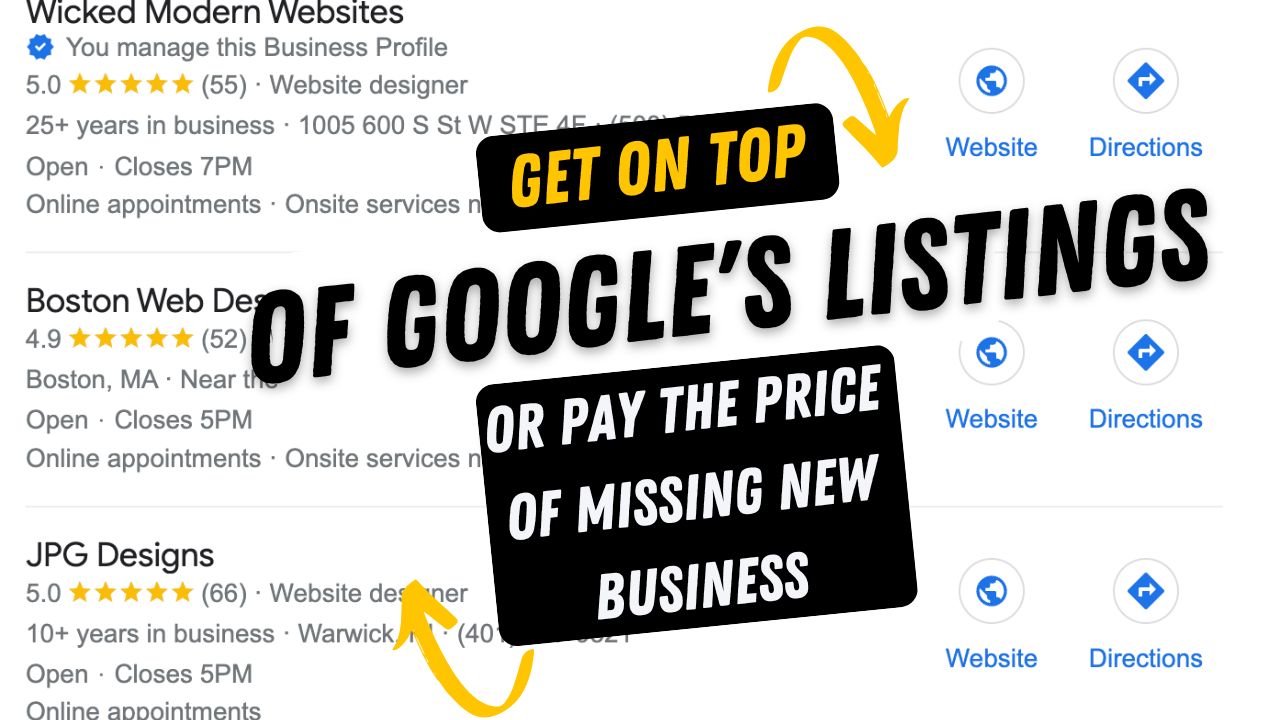
- Google Business Profile
- Google Maps visibility
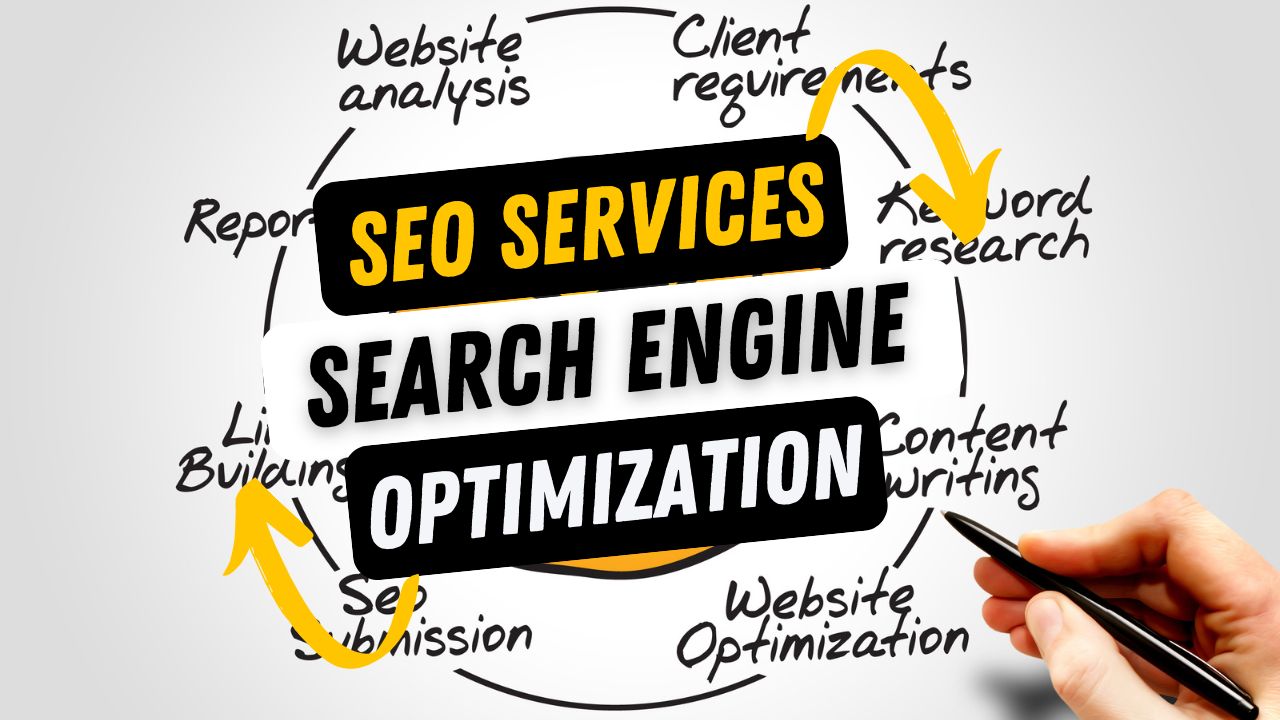
- Local SEO
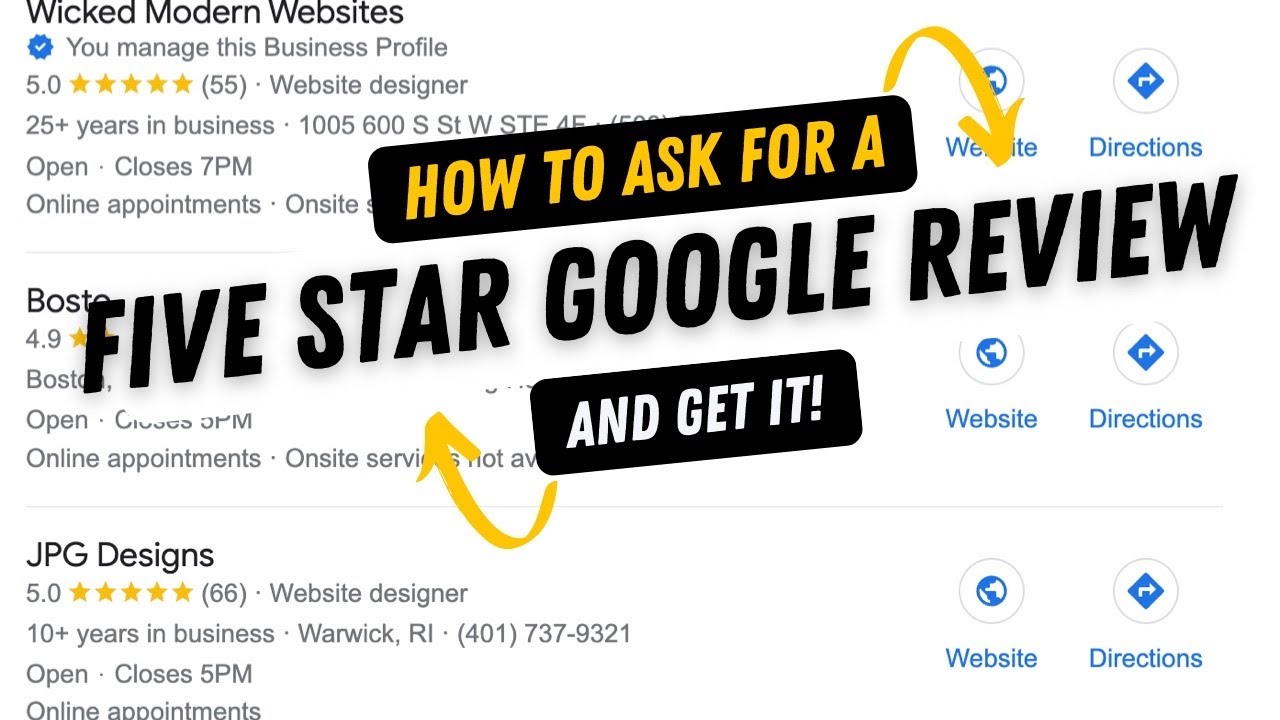
- Customer reviews
- Social media presence
- Local content
- Business directory listings
When all of these work together, your business becomes much easier to find online. A strong website, Google Maps optimization, ongoing SEO, and active marketing all reinforce one another to improve visibility and generate more qualified local leads.
Why is local marketing more important than ever?
People rarely browse through multiple pages of search results anymore.
Instead, they:
- Search on Google.
- Look at Google Maps.
- Read reviews.
- Visit your website.
- Decide whether to call.
Sometimes AI search tools even summarize businesses before someone clicks.
Because of this, your online presence must provide clear, trustworthy information that demonstrates experience and answers real customer questions.
Businesses that consistently publish helpful local content, keep their information updated, and showcase real expertise have a better chance of remaining visible as search continues to evolve.
How has AI search changed local SEO?
AI hasn’t replaced local SEO.
It has simply changed what works.
Years ago, businesses could rank by repeating keywords across every page.
Today, search engines look for signals such as:
- Helpful content
- Real expertise
- Updated business information
- Customer reviews
- Local relevance
- Fast websites
- Consistent business details
- Clear service pages
AI search often pulls information from businesses that clearly explain what they do instead of those that simply stuff keywords into their pages.
That means writing for real people—not algorithms—is becoming even more valuable.
Can my website still get traffic if AI answers questions?
Absolutely.
People still click websites when they need to:
- Compare businesses
- Request estimates
- View pricing
- Read detailed guides
- See examples of work
- Check service areas
- Learn about your experience
- Contact your business
Instead of writing dozens of short articles targeting tiny keywords, focus on creating detailed resources that answer complete customer questions.
Helpful content builds trust and gives visitors a reason to choose your business.
What type of content attracts local customers?
The best local content solves problems.
Good examples include:
- Frequently asked questions
- Local service guides
- Seasonal advice
- Cost estimates
- Step-by-step explanations
- Common mistakes customers make
- Service area pages
- Customer success stories
When someone feels like you’ve already helped them before they contact you, they’re much more likely to become a customer.
How important is Google Business Profile?
It’s one of the most important marketing tools for local businesses.
Many customers never visit your website until after they’ve viewed your Google Business Profile.
An optimized profile helps people:
- Find your location
- Read reviews
- View photos
- Visit your website
- Call your business
- Request directions
Keeping your profile active with updates, photos, and posts sends positive signals that your business is operating and engaged with customers. Google Maps optimization remains a core part of improving local visibility and generating calls from nearby customers.
Do customer reviews really help SEO?
Yes.
Reviews build trust for both search engines and potential customers.
Encourage happy customers to leave honest reviews and always respond professionally.
Review responses show that your business is active and values customer feedback.
Fresh reviews also give potential customers confidence that people continue choosing your business.
Does social media help local SEO?
Not directly in the same way as backlinks or technical SEO.
However, social media supports your local marketing by:
- Increasing brand awareness
- Keeping your business visible
- Sharing helpful content
- Encouraging customer engagement
- Driving visitors back to your website
Many customers research a company’s social media before deciding whether to contact them.
An active presence makes your business appear established and trustworthy.
Should every local business have a blog?
Yes—if it’s written for customers rather than search engines.
A blog helps answer questions before customers call.
For example, you can explain:
- How your service works
- What customers should expect
- Local regulations
- Seasonal maintenance tips
- Buying guides
- Industry updates
- Frequently asked questions
This type of content continues attracting visitors long after it’s published.
How often should I update my website?
Your website should never feel abandoned.
Regular updates might include:
- New blog posts
- Service page improvements
- Fresh project photos
- Updated testimonials
- New FAQs
- Updated business information
Search engines generally prefer websites that continue providing fresh, useful information instead of remaining unchanged for years.
What makes someone choose one local business over another?
People usually compare businesses based on trust.
They often ask themselves:
- Does this company look professional?
- Can I easily contact them?
- Do they have recent reviews?
- Does their website answer my questions?
- Are they active online?
- Do they seem experienced?
- Do they serve my area?
If your online presence answers “yes” to those questions, you’ve already gained an advantage.
What are the biggest local marketing mistakes?
Some common mistakes include:
- Outdated websites
- Slow page speed
- Missing contact information
- Few or no reviews
- Inactive Google Business Profile
- Thin website content
- No local landing pages
- Ignoring customer questions
- Publishing content only for keywords
Instead, focus on making your website genuinely useful.
Helpful businesses earn more trust—and trust leads to more inquiries.
Is local SEO a one-time project?
No.
Local marketing is ongoing.
Competitors continue improving their websites.
Customers leave new reviews.
Search engines update their algorithms.
New questions appear.
The businesses that stay active usually maintain stronger visibility over time.
Consistent improvements to your website, local SEO, Google Maps presence, and marketing efforts create momentum that compounds over months rather than days.
What is the best long-term strategy for local businesses?
The strongest strategy is surprisingly simple:
- Build a fast, easy-to-use website.
- Keep your Google Business Profile updated.
- Publish genuinely helpful local content.
- Answer customer questions.
- Earn authentic reviews.
- Stay active on social media.
- Improve your website regularly.
- Focus on helping people first.
As AI continues changing how search works, businesses that demonstrate real expertise, maintain accurate local information, and consistently provide useful answers are more likely to remain visible across both traditional search and AI-powered experiences.



0 Comments