



Small Business Website Design That Actually Converts Visitors Into Leads
Most small business websites look decent. Very few actually generate leads.
That is the difference between having an online presence and having a revenue-generating asset.
If your website is not bringing in calls, form submissions, or booked appointments, it is not doing its job. And the truth is—it is rarely about aesthetics alone. It is about strategy, structure, and intentional design.
Let us break down what separates high-performing websites from the ones that just sit there.
Why Most Small Business Websites Fail
A lot of websites are built with the wrong goal in mind: “just get something online.”
That approach leads to confusing navigation, weak messaging, slow load speeds, and no clear call-to-action.
Visitors do not want to “figure things out.” They want clarity within seconds.
A high-converting website answers three questions instantly:
- What do you do?
- Who do you help?
- What should I do next?
If your site does not communicate that clearly, you are losing potential customers every day.
Start With Strategy, Not Design
Before choosing colors or layouts, define your conversion goal.
Do you want phone calls, quote requests, or booked consultations?
Every page should be built around that goal.
A strong website strategy includes:
- Clear target audience definition
- Keyword-focused content
- Conversion-driven layout
- Local SEO alignment
Skipping this step is one of the biggest reasons websites underperform.
The Homepage Structure That Drives Conversions
Your homepage is your first impression—and often your only chance to capture attention.
Here is a structure that consistently performs:
Clear Headline (Above the Fold)
State exactly what you offer and who it’s for. No vague wording.
Supporting Subheadline
Explain the outcome or benefit your service delivers.
Primary Call-to-Action
Guide users immediately with actions like:
- Get a Quote
- Book a Call
- Start Your Project
Trust Signals
Include testimonials, reviews, or recognizable client logos.
Services Overview
Give a quick snapshot of your services and guide users deeper into the site.
Design for Speed and Simplicity
A slow or cluttered website kills conversions before they even start.
Focus on:
- Fast loading speed (ideally under 3 seconds)
- Mobile-first design
- Clean layouts with breathing space
- Easy-to-use navigation
Speed is not just about user experience—it directly impacts search rankings.
Content That Speaks to Real Customers
Most websites talk about themselves. High-performing websites talk about the customer.
Instead of explaining what you do, focus on the problem you solve.
For example:
If your audience is struggling to get leads, address that directly. Speak to their frustration and offer a clear solution.
This approach builds connection and keeps visitors engaged.
Use Service Pages to Rank and Convert
Your homepage should not try to rank for everything.
Instead, create dedicated service pages for each core offering.
Each page should:
- Target a specific keyword
- Clearly explain benefits
- Include strong calls-to-action
- Build trust with proof and examples
This not only improves SEO but also increases conversions by matching user intent.
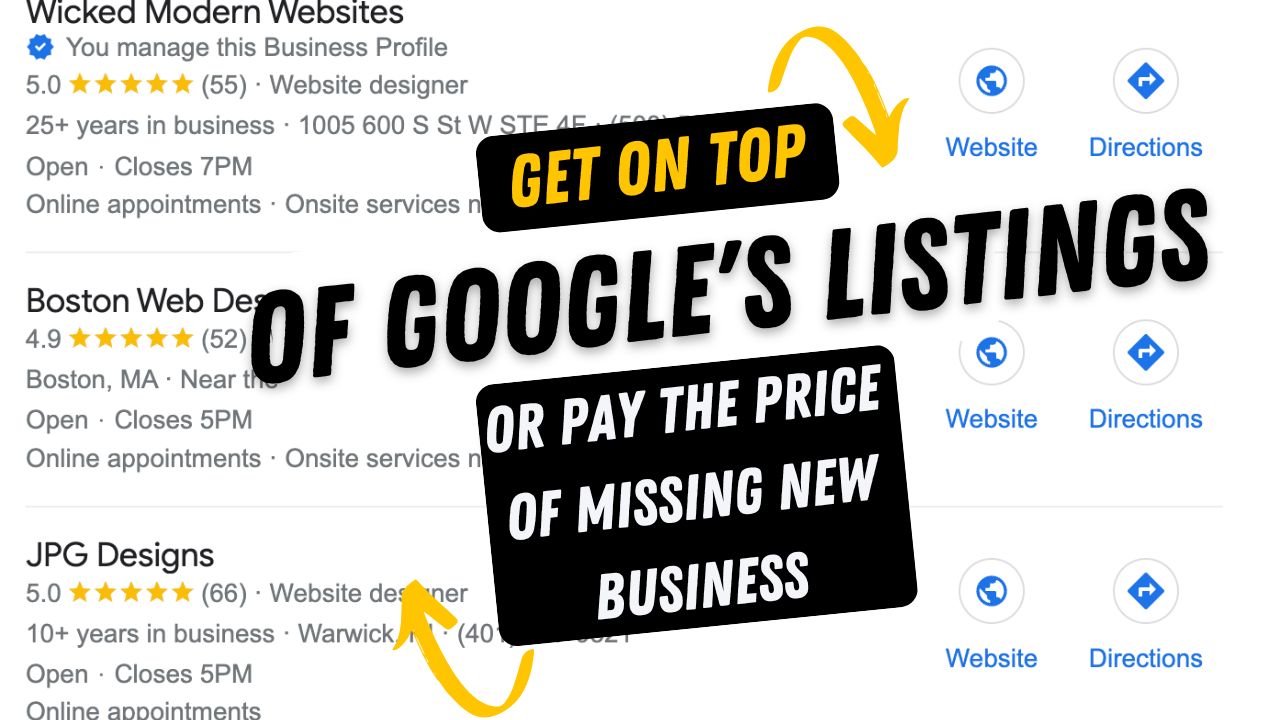
Local SEO: The Hidden Growth Lever
If your small business serves a specific area, local SEO is one of your biggest opportunities.
Optimize your site for:
- Location-based keywords
- Service + city combinations
- Local landing pages
- Google Business Profile alignment
This helps you show up when potential customers are actively searching for services in your area.
Calls-to-Action That Actually Work
A CTA is not just a button—it is a decision point.
Generic CTAs like “Learn More” do not perform well.
Instead, use action-focused language that highlights value:
- Get Your Free Audit
- Request a Quote Today
- Book Your Consultation
Also:
- Place CTAs throughout the page
- Make them visually distinct
- Keep forms simple and quick
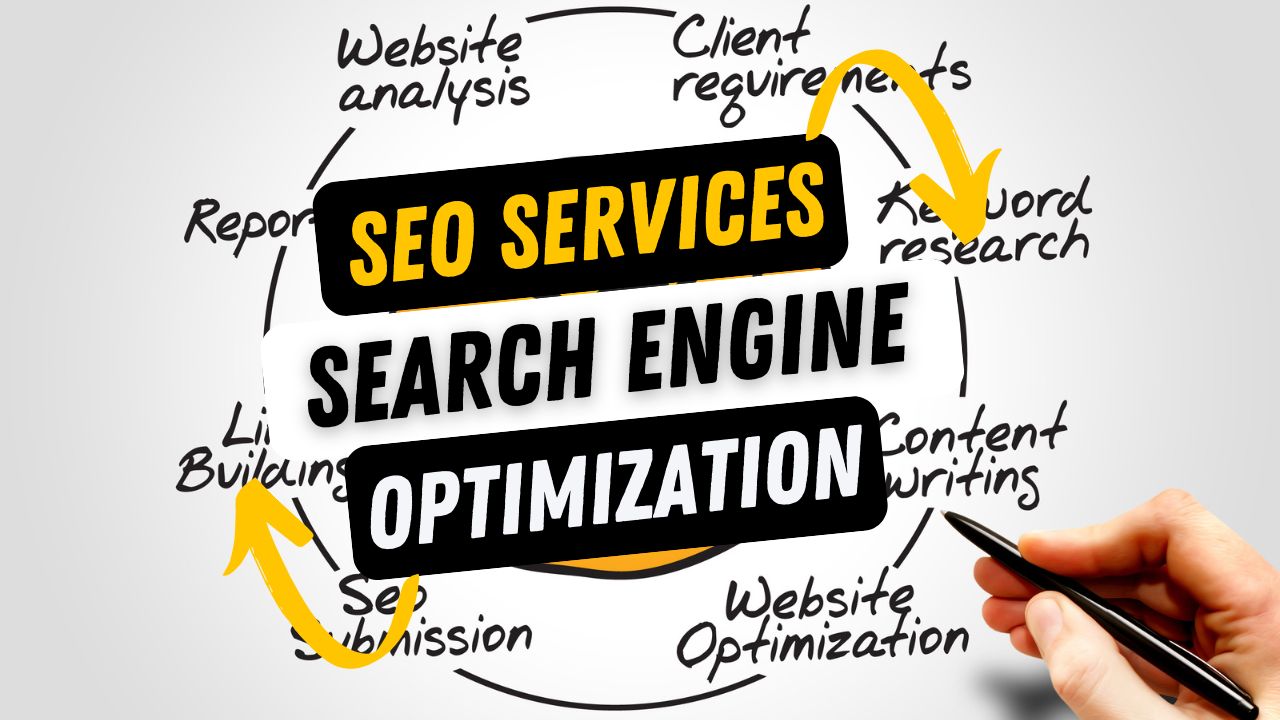
The Role of SEO in Website Design
SEO should be part of the foundation—not an afterthought.
A properly built website includes:
- Keyword-optimized headings
- Clean URL structure
- Internal linking
- Fast performance
- Mobile optimization
When SEO is integrated from the start, your website becomes easier to rank and more effective at attracting the right audience.
Why DIY Websites Often Underperform
Website builders make launching easy, but performance is another story.
Common problems include:
- Weak structure
- Poor SEO setup
- Generic layouts
- Lack of conversion strategy
Many businesses end up rebuilding their website within a year because it doesn’t deliver results.
What Makes a Website High-Converting?
A high-converting website is built with intention.
It should:
- Load quickly
- Rank in search engines
- Guide users clearly
- Build trust instantly
- Convert traffic into leads
Every element—from headlines to buttons—should have a purpose.
Real Results Come From the Right Approach
When done correctly, your website becomes your most reliable marketing asset.
It works around the clock to:
- Bring in traffic
- Educate visitors
- Generate leads
- Support small business growth
Unlike paid ads, the benefits continue to grow over time.
Final Thoughts
If your website is not generating leads, it is not a traffic problem—it is a strategy problem.
Focus on clarity, structure, SEO, and conversion.
A well-built website does not just represent your business—it actively drives it forward.



0 Comments